Not taking action and procrastination are often due to fear. Fear acts as a protective mechanism, but it can also inhibit growth, decision-making, and opportunities.
Fear
Fear is a State of Mind
fear
Fear is within
“We are more often frightened than hurt;
And we suffer more in imagination than in reality.” - seneca
Fear is a state of mind
Fear is a state of mind. Scientifically, it is a response triggered by neural circuits in the brain. When a potential danger is perceived, the amygdala signals other parts of the brain, like the hypothalamus, to activate the body’s “fight or flight” response. This releases hormones like adrenaline and cortisol, heightening alertness and preparing the body to react.
At the neural level, fear arises from patterns of electrical activity and neurotransmitter release in specific circuits. For instance, sensory inputs processed by the thalamus and prefrontal cortex inform the amygdala whether a threat is real, while the hippocampus provides context based on past experiences. These rapid exchanges of information shape how neurons fire, encoding the emotion of fear and its associated physical sensations.
Fear, in this sense, is both a protective mechanism and a neural process, designed to ensure survival by prioritizing immediate reactions over deliberate thought.
Notes
Link to original
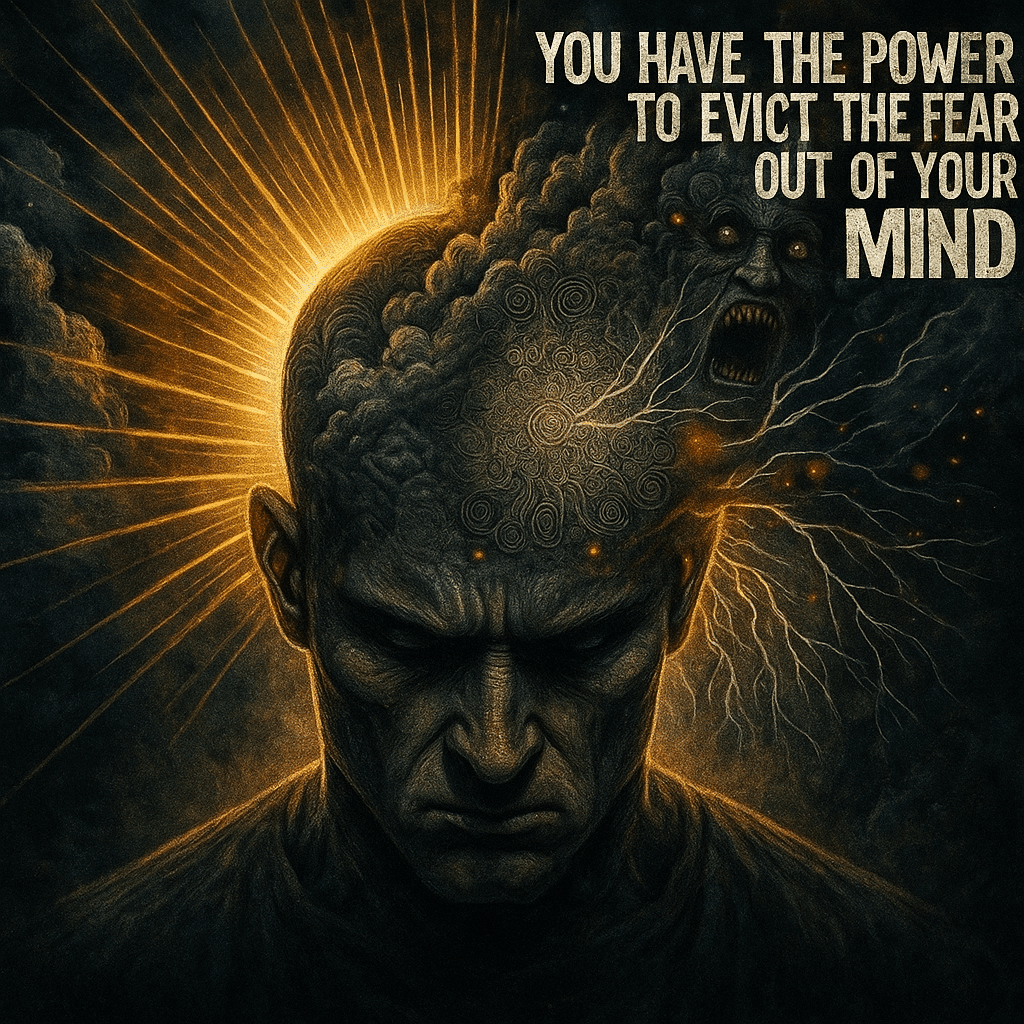
Why Fear Stops Action
Fear of Failure
Fear of making mistakes or not succeeding can prevent someone from trying in the first place.
Fear of Judgment
Worrying about how others will perceive your actions or potential failure can be paralyzing.
Refer: worry and related notes.
Fear of the Unknown/Fear of Change
Uncertainty about outcomes makes inaction feel safer than risking an unfavorable result.
Comfort with the status quo, even if it’s suboptimal, can make stepping into the unknown intimidating.
on-taking-risk
Link to original“I think it’s generally human nature to overestimate risk and underestimate opportunity The risks are probably not as big as you perceive and the opportunities may be bigger than you perceive.” - Jeff-Bezos
Perfectionism
A belief that only perfect action is worth taking can lead to procrastination or avoidance.
Trauma or Past Experiences
Previous negative outcomes can reinforce avoidance behavior.